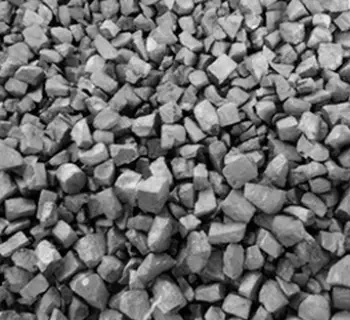
Manufacturers of Ferro Alloys in India: Market Growth, Production Capacity & Key Insight
Ferroalloys, which are the indispensable workhorses of modern metallurgy, are alloys of iron with a large percentage of one or more elements such as manganese, silicon, chromium and molybdenum. These essential feedstocks play key roles in the manufacture of steel and stainless steel, which give it the key characteristics of strength, hardness, corrosion and ductile nature. India is a powerhouse in the global steel production, and therefore, the industry of ferroalloy is a major portion of its industrial economy. The article explores the environment of manufacturers of Ferro alloys in India, examining the growth drivers in the market, evaluating the production capacities, and providing some insights on the future of this industry.
About Us
Bharat Engineering Works is a reputed ferro alloy manufacturing company that was established more than 40 years ago, and the company has been providing precision-engineered solutions to a variety of industrial requirements. We make performance-driven and durable castings that are of international standards that are supported by high-technology foundries, skilled craftsmanship and very high-quality control. We have been innovating, manufacturing efficiency, and customer-related manufacturing, which makes us serve industries like automotive, infrastructure, engineering, and heavy machinery with quality products and at the right time.
The Indian Ferro Alloy Manufacturing Landscape
India is among the world's top producers and exporters of ferroalloys, thanks to its significant advantages. The industry is characterized by a mix of large, integrated players and a substantial number of small- to mid-sized manufacturers, often clustered around key resource and energy hubs.
Key Manufacturing Hubs:
Eastern Region (Odisha, West Bengal, Jharkhand): The region is at the centre of the industry, which is exploiting the closeness to manganese and chromite deposits (Odisha holds more than 90 percent of the Indian chromite deposits) and port accessibility.
Southern Region (Andhra Pradesh, Tamil Nadu, Karnataka): Another major contributor is this region which houses manganese and has already developed infrastructure of ports.
Western and Northern Region (Chhattisgarh, Maharashtra, Gujarat): It is gaining prominence thanks to industrialized corridors and power supply.
Some of the major manufacturers of Ferro alloys in India include Tata Steel, Jindal Group, Vedanta Limited, and OCL Iron & Steel Limited. Alongside these giants, hundreds of smaller- and medium-scale furnaces operate across the country, contributing significantly to overall production and employment.
Market Growth: Drivers and Dynamics
The Indian ferro alloy manufacturing sector is on a steady growth trajectory, propelled by both domestic demand and export opportunities.
- The Steel Industry Anchor: The first and the most influencing one is the strong development of the Indian steel industry. India ranks second largest producer of crude steel in the world and has a target of 300 million tonnes by 2030-31. The government policies such as National Steel Policy, infrastructure push in roads, railways, ports, urbanisation are directly converted to higher usage of steel, hence the demand of ferroalloys such as ferro manganese, silico manganese and ferro silicon.
- Stainless Steel & Special Alloys Surge: Demand of these products is particularly increased by the expansion of stainless-steel industry, owing to its application in architecture, automotive and consumer-durables. The ferro alloy manufacturers in India have been on the frontline in producing stainless-steel that gives the company a solid market presence every successive year.
- Export Competitiveness: India is a net exporter of ferroalloys especially ferrochrome and silico manganese. The major export markets are Japan, South Korea, the United States and the European countries. The competitive advantages are; High deposits of manganese and chromite ores, relatively low cost of operation, and proximity to other major markets in Asia in steel. The global market demands such advantage hence the ferro alloy exporters in India are high in demand.
- Government Policies: Government policies such as the Make in India programme and mining corridor development schemes have a trickle-down effect on the industry. Nevertheless, other issues such as export taxes on ores also face the industry, which is occasionally imposed so that the security of domestic raw materials is guaranteed.
Production Capacity: An Assessment
India boasts a substantial and diverse ferroalloy production capacity, estimated to be over 5 million tonnes per annum (MTPA).
- Ferro Chrome: Capacity is concentrated in Odisha, leveraging the state's chromite wealth. India is a leading global producer of charge chrome.
- Silico Manganese & Ferro Manganese: These are the most widely produced ferroalloys in India, catering to the carbon steel sector. Capacity is dispersed across Odisha, West Bengal, Andhra Pradesh, and Karnataka.
- Ferro Silicon: Production is relatively smaller and often dependent on the availability of quartzite and affordable power.
Critical Constraints
- Power Intensive: Ferroalloy making is very power-intensive with electricity being 35-40 percent of the overall cost of production. Manufacturers are concentrated in areas where there are power plants, coal connection or good state grid tariffs. The switch to renewable energy and fluctuations of the cost of coal provide a challenge and an opportunity to the industry to go green.
- Technology and Upgrades: Larger furnaces which are more efficient are gradually coming into use so as to obtain more raw material by smouldering pelletising and sintering fines. Backward integration is growing in significance through captive mining and processing plants in order to maintain a watch on both the cost and quality of the raw materials.
- Availability of Raw Materials: India is endowed with large quantities of chromite and manganese, but there are a few grades and impurities, which cannot be dissolved, that will influence the performance of the kiln and the product quality. Moreover, due to the increased steel production in India, the balance of iron ore and better ores is shifting in the country.
Keeping these challenges in consideration, manufacturers of ferro alloys in India are working tirelessly to meet new challenges in the market and create a stable ecosystem where all stakeholders can work collectively towards a shared goal.
Key Insights and Future Outlook
- Domestic Strategy: India’s planned steel capacity expansion and the shift toward higher-value steel products will sustain ferro-alloy demand — especially for manganese alloys and ferrochrome used in stainless steels. Investors should track national steel capacity plans and large project pipelines as a leading indicator.
- The Green Transition Imperative: Globally, the steel industry is under pressure to decarbonise. This has a direct knock-on effect on ferroalloy producers. The demand for low-carbon ferroalloys and those produced using green energy is rising. Indian manufacturers will need to invest in cleaner technologies, energy efficiency, and possibly explore hydrogen-based reduction in the long term to remain competitive in premium export markets.
- Process Integration: The trend of forward integration by miners and backward integration by steel mills is strengthening. This secures supply chains but also intensifies competition for standalone merchant producers, who must compete on cost efficiency and product specialization.
- Volatility is the New Normal: The industry is volatile and vulnerable to world prices of commodities, exchange rates as well as world trade policies. Those who are successful are those who have good risk management and flexible operation.
- Diversification and Value Addition in Products: Cleaning up to specialty ferroalloys and customized alloys of special composition to meet high-strength steels and foundry needs would mean better margins and less exposure to the commodity cycle.
- Logistics and Infrastructure: This is due to the fact that efficient logistics to transport large quantities of ore and finished alloys is still a challenge. To decrease expenses and increase export competitiveness, it is important to improve rail connectivity and port facilities.
All leading ferro alloy companies India invest their time and resources in improving their existing capabilities while ensuring optimal performance and reliability at the same time.
Conclusion
Ferro alloy manufacturers in India operate at the nexus of resource advantage, growing domestic demand, and global market opportunities. Although the industry has a solid and robust foundation, the future growth and profitability of the industry depend on how it addresses the two issues- energy intensity and the global decarbonisation agenda.
Manufacturers that invest in operational efficiency, green power, strategic integration, and product innovation will be best positioned to capitalise on the steel-led growth story of India and secure a sustainable, value-accretive position in the global ferroalloy supply chain. The industry, therefore, is not just a passive supplier but an active, strategic partner in India's journey to becoming an industrial and manufacturing superpower
Related Links : Impeller manufacturers India
FAQs
Indian manufacturers commonly produce ferro chrome, ferromanganese, silicomanganese, and ferrosilicon, which are widely used in steelmaking and metallurgy.
The primary consumers include the steel industry, foundries, automotive manufacturing, construction, and various metallurgical applications
Manufacturers use electric arc furnaces, submerged arc furnaces, and advanced refining technologies to achieve precision and consistency in alloy composition.
Common raw materials include manganese ore, chrome ore, quartz, coke, and other reducing agents essential for alloy production.
Key factors include product quality, consistency, pricing, delivery capability, certifications, and customer support.